

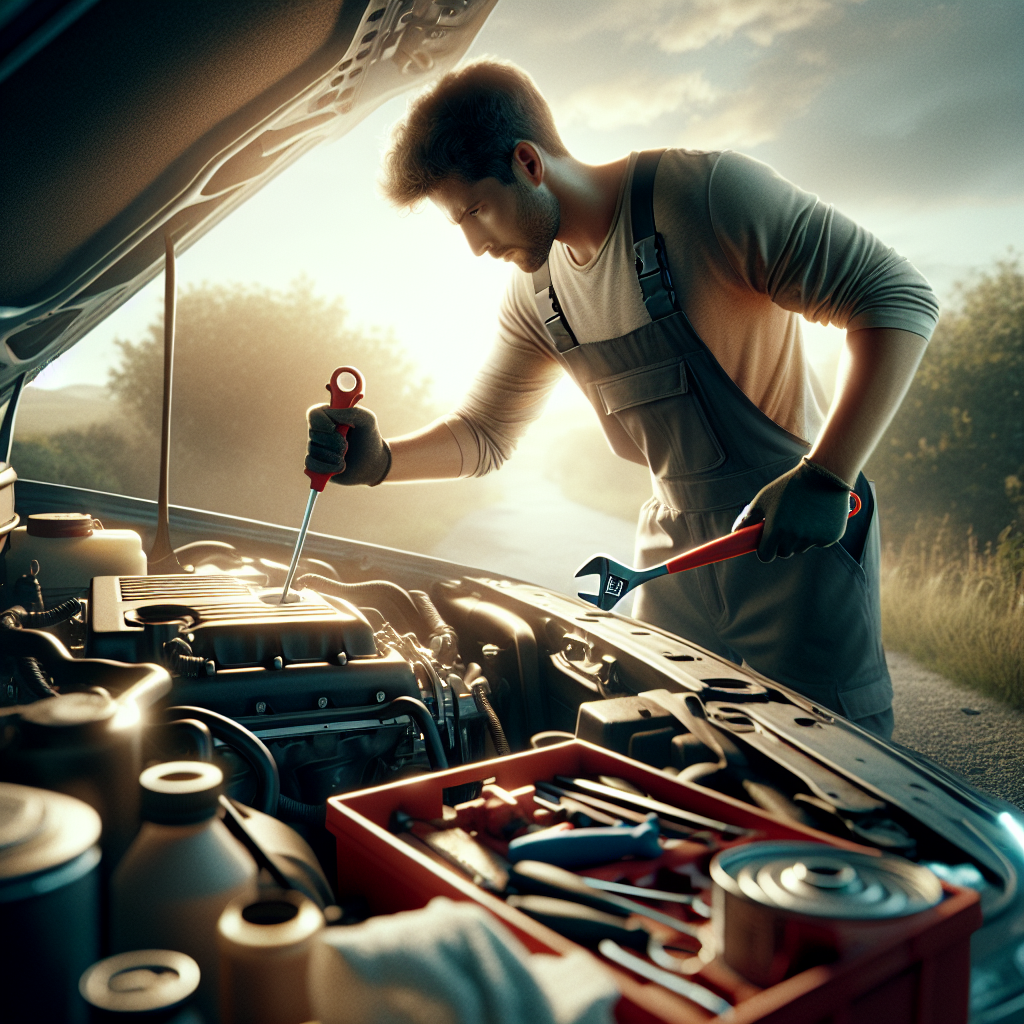
Car overheating is a common issue that can be distressing for any vehicle owner. It can occur for various reasons and, if not addressed promptly, can lead to severe engine damage. Fortunately, there are several DIY solutions you can try to fix car overheating quickly and efficiently. This article explores some of the top methods to tackle this problem, helping you get back on the road with confidence.
Understanding the Causes of Car Overheating
Before diving into the solutions, it’s crucial to understand the potential causes of car overheating. Overheating can result from a range of factors including:
- Low coolant levels
- Faulty thermostat
- Malfunctioning radiator fan
- Clogged radiator
- Leaking cooling system
- Faulty water pump
Identifying the root cause is the first step in effectively addressing the issue.
Immediate Actions to Take When Your Car Overheats
If you notice your car beginning to overheat, it’s important to act quickly to minimize damage:
- Turn Off the AC and Turn On the Heater: This may seem counterintuitive, but turning off the air conditioning reduces stress on the engine, while turning on the heater helps dissipate heat away from the engine.
- Pull Over Safely: If the temperature continues to rise, pull over safely and turn off the engine. Allowing the engine to cool down can prevent further damage.
- Check Coolant Levels: Once the engine has cooled, check the coolant reservoir. If it’s low, add coolant or water as a temporary fix. Be careful, as opening the radiator cap when the engine is hot can cause burns.
DIY Solutions to Fix Car Overheating
Inspect and Refill Coolant
Low coolant is one of the most common causes of overheating. To address this:
- Wait for the engine to cool completely.
- Open the hood and locate the coolant reservoir.
- Check the coolant level and refill if necessary, using the appropriate coolant type for your vehicle.
- Check for leaks in the hoses and connections, as these can cause coolant loss.
Regularly checking and maintaining proper coolant levels can prevent overheating issues.
Check the Radiator Cap
A faulty radiator cap can lead to overheating by not maintaining the proper pressure in the cooling system. To test the cap:
- Wait for the engine to cool down.
- Remove the radiator cap carefully.
- Inspect the cap for signs of wear, such as cracks or a damaged seal.
- Replace the cap if necessary, ensuring it matches the pressure rating for your vehicle.
A functioning radiator cap is crucial for maintaining the cooling system’s integrity.
Inspect the Radiator and Hoses
A clogged or damaged radiator can significantly impact cooling efficiency. Here’s how to inspect it:
- Once the engine is cool, check the radiator for debris, dirt, or obstructions.
- Inspect the hoses for any signs of leaks, cracks, or bulges.
- Use a garden hose to flush the radiator, removing any blockages or build-up.
- Consider using a radiator cleaning solution for a more thorough clean.
Keeping the radiator and hoses clean and intact is essential for optimal cooling performance.
Check the Thermostat
A malfunctioning thermostat can prevent coolant from flowing properly. To check it:
- Locate the thermostat housing by following the upper radiator hose to where it connects to the engine.
- Remove the thermostat from its housing.
- Test it by placing it in a pot of water and heating it. The thermostat should open as the water heats up.
- If it doesn’t open, replace the thermostat with a new one.
A properly functioning thermostat ensures the coolant circulates as needed, preventing overheating.
Examine the Radiator Fan
The radiator fan helps cool the engine by drawing air through the radiator. Here’s how to check its operation:
- Start the car and let it idle until it reaches its normal operating temperature.
- Observe the radiator fan to see if it turns on as the engine heats up.
- If the fan doesn’t activate, check the fan motor, relay, and fuse for issues.
- Replace any faulty components to restore proper fan function.
Ensuring the radiator fan operates correctly is vital for maintaining engine temperature.
Inspect the Water Pump
The water pump is responsible for circulating coolant through the engine. To inspect it:
- Check for any coolant leaks around the water pump.
- Listen for any unusual noises, such as grinding or whining, which may indicate a failing pump.
- Replace the water pump if there are signs of wear or if it’s not functioning properly.
A well-functioning water pump is essential for effective coolant circulation.
Preventive Measures to Avoid Overheating
While addressing immediate overheating issues is important, preventing them from occurring in the first place is even better. Consider these preventive measures:
- Regular Maintenance: Keep up with your vehicle’s maintenance schedule, including regular oil changes and coolant flushes. This helps ensure all components are in good working order.
- Monitor Coolant Levels: Regularly check and maintain the proper coolant level to prevent overheating.
- Inspect Belts and Hoses: Regularly check these components for wear and replace them as needed to avoid leaks and other issues.
- Clean the Radiator: Keep the radiator clean and free from obstructions to promote efficient cooling.
- Drive Smart: Avoid excessive idling and try to drive at steady speeds to minimize stress on the engine.
Conclusion
Dealing with a car that overheats can be frustrating, but with the right knowledge and tools, you can often resolve the issue yourself. By understanding the potential causes of overheating and taking prompt action, you can protect your engine from damage and get back on the road quickly. Remember, regular maintenance and preventive measures are key to avoiding future overheating problems. Being proactive about your vehicle’s cooling system ensures that you can enjoy a smooth and safe driving experience.
#ChatGPT assisted in the creation of this article.
