

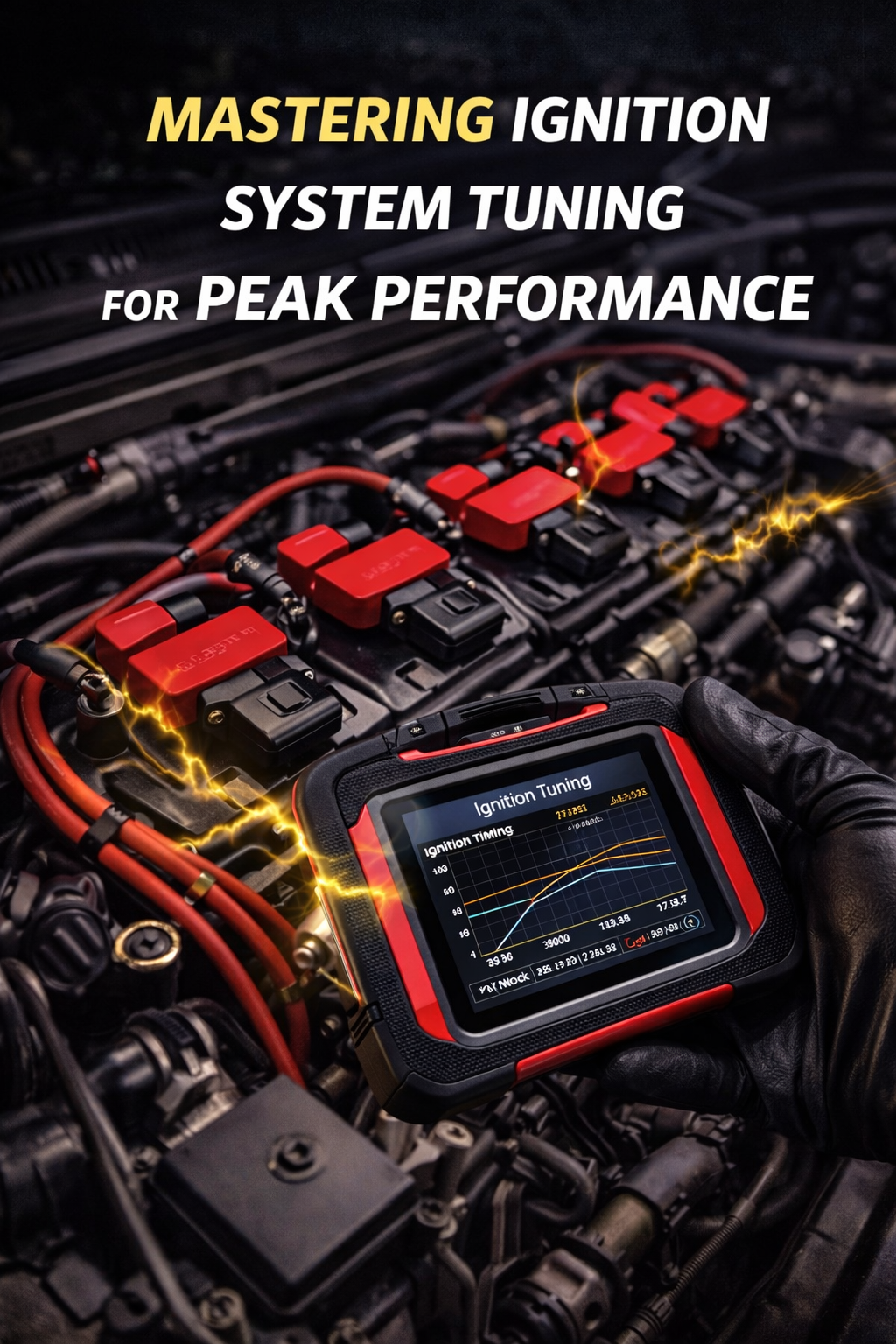
In the world of automotive performance, the ignition system plays a pivotal role. It’s the heartbeat of your engine, and mastering its tuning can unlock significant power gains and efficiency improvements. Whether you’re a seasoned mechanic or a DIY enthusiast, understanding how to fine-tune your ignition system is essential for achieving peak performance. This article will guide you through the fundamentals, strategies, and techniques for mastering ignition system tuning.
Understanding the Ignition System
At its core, the ignition system is responsible for igniting the air-fuel mixture in the engine’s cylinders. This process is crucial for the engine to generate power. The ignition system includes several key components: the ignition coil, distributor, spark plugs, and the control module. Each component must function optimally to ensure that the ignition system delivers the right spark at the right time.
Ignition Coil
The ignition coil is a transformer that converts the battery’s low voltage to the high voltage needed to create a spark. A well-maintained coil ensures a strong and consistent spark, which is essential for performance.
Distributor
The distributor routes the high-voltage electricity from the ignition coil to the correct cylinder. Ensuring proper distributor cap and rotor condition is crucial for maintaining accurate spark timing.
Spark Plugs
Spark plugs are the components that create the spark to ignite the air-fuel mixture. Choosing the right spark plugs and ensuring they are properly gapped can significantly influence performance and efficiency.
Control Module
Modern vehicles often use an electronic control module to manage ignition timing. Understanding and optimizing this module’s settings can lead to substantial performance improvements.
The Importance of Ignition Timing
Ignition timing refers to the precise moment the spark plug ignites the air-fuel mixture. Accurate ignition timing ensures that the combustion process occurs at the optimal point in the engine’s cycle, maximizing power output and efficiency.
Advanced Timing
Advancing the ignition timing means igniting the air-fuel mixture earlier in the engine’s cycle. This can lead to increased power and throttle response but may also increase the risk of knocking, especially in high-compression engines.
Retarded Timing
Retarding the timing, or igniting the mixture later, can help prevent knocking and is often used in forced induction applications. However, too much retardation can lead to decreased power and efficiency.
Tools and Equipment for Ignition Tuning
To effectively tune an ignition system, having the right tools and equipment is essential. Here are some must-have tools for any tuning enthusiast:
Timing Light
A timing light is indispensable for checking and adjusting ignition timing. It allows you to see the timing marks while the engine is running, helping you make precise adjustments.
Ignition Analyzer
An ignition analyzer helps diagnose issues with the ignition system by providing data on spark strength, coil operation, and other critical parameters.
Scan Tool
For vehicles with electronic ignition systems, a scan tool can provide valuable insights into the control module’s operation and allow for adjustments to be made through the ECU.
Steps to Tune the Ignition System
Tuning the ignition system involves several steps, each crucial for optimal performance. Here’s a step-by-step guide to help you through the process:
Step 1: Inspect and Replace Components
Begin by inspecting the ignition system components. Check for worn-out spark plugs, damaged distributor caps, and corroded connections. Replace any components that show signs of wear to ensure a strong and consistent spark.
Step 2: Set Base Timing
Using a timing light, set the base timing according to the manufacturer’s specifications. This provides a starting point for further tuning and ensures that the engine runs smoothly at idle.
Step 3: Adjust Timing for Performance
Once the base timing is set, you can begin adjusting the timing to achieve the desired performance characteristics. This involves advancing or retarding the timing based on engine behavior and performance goals.
Step 4: Monitor Engine Performance
After making adjustments, monitor engine performance closely. Look for signs of knocking or pinging, and listen for changes in engine sound. Use an ignition analyzer to verify that the spark is strong and consistent across all cylinders.
Step 5: Fine-Tune with a Scan Tool
For electronic ignition systems, use a scan tool to access the ECU’s settings. Make fine adjustments to the ignition map, considering factors like engine load, RPM, and air-fuel ratio.
Common Challenges and Solutions
Tuning an ignition system can present several challenges, but understanding how to address them is key to successful tuning.
Knocking and Pinging
One of the most common challenges is engine knocking or pinging, often caused by overly advanced timing. To resolve this, gradually retard the timing until the knocking ceases.
Inconsistent Spark
Inconsistent spark can lead to misfires and reduced performance. Ensure that all connections are secure and free of corrosion, and replace worn-out components.
ECU Limitations
Some vehicles’ ECUs may limit the extent to which ignition timing can be adjusted. In such cases, consider aftermarket ECU tuning solutions to unlock further performance potential.
Conclusion
Mastering ignition system tuning is both an art and a science. By understanding the components, principles, and techniques involved, you can unlock significant performance gains from your engine. Whether you’re aiming for increased power, better fuel efficiency, or a smoother driving experience, proper ignition tuning is a crucial step in achieving your automotive goals. With the right tools, knowledge, and patience, you can master the art of ignition system tuning and enjoy the thrill of peak performance.
#ChatGPT assisted in the creation of this article.
