

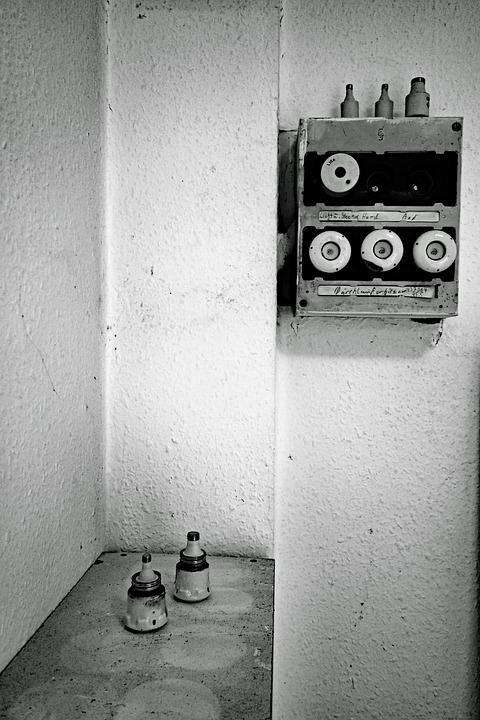
In the world of automotive technology, the fuse box stands as a silent guardian, protecting your vehicle’s electrical components from damage due to overloads or short circuits. Understanding how to troubleshoot a fuse box is an essential skill for any DIY auto repair enthusiast. This guide will walk you through the process of identifying issues within your vehicle’s fuse box and resolving them effectively.
Understanding the Basics of Fuse Boxes
Before delving into troubleshooting, it is crucial to grasp the fundamental purpose and structure of a vehicle’s fuse box. Essentially, a fuse box distributes electrical power to various components in the vehicle, such as lights, radios, and ignition systems. Each circuit is safeguarded by a fuse, which is designed to break the circuit if it detects an excessive current flow, thus preventing damage to the components.
Types of Fuses
The most common types of fuses found in vehicles include blade fuses, glass tube fuses, and fusible links. Blade fuses are the most prevalent in modern vehicles due to their compact size and ease of use. Understanding the type of fuse your vehicle uses is the first step in effective troubleshooting.
Signs of a Faulty Fuse Box
Recognizing when there is an issue with your fuse box can save you time and money. Here are some common signs that your fuse box might need attention:
Intermittent Electrical Issues
If you’re experiencing flickering lights, malfunctioning accessories, or erratic behavior of electrical components, it may indicate a problem with the fuse box.
Blown Fuses
Frequently blown fuses can be a sign of a deeper issue within the electrical system that needs addressing.
Burning Smell or Visible Damage
A burning smell near the fuse box or visible signs of melting or scorching is a serious indicator of an electrical issue and requires immediate attention.
Troubleshooting the Fuse Box
Once you have identified a potential issue with your vehicle’s fuse box, follow these steps to troubleshoot and resolve the problem.
Step 1: Safety First
Before you begin any work on your vehicle’s electrical system, ensure that the car is turned off, and the keys are removed from the ignition. Disconnect the battery to prevent any accidental electrical discharge.
Step 2: Locate the Fuse Box
Consult your vehicle’s owner manual to locate the fuse box. Most cars have at least two fuse boxes: one in the engine compartment and another inside the cabin.
Step 3: Identify the Problematic Fuse
Use the fuse box diagram, usually printed on the fuse box cover or in the owner’s manual, to identify the fuse corresponding to the malfunctioning component.
Step 4: Inspect the Fuse
Remove the suspect fuse using a fuse puller or a pair of needle-nose pliers. Inspect the fuse for a broken filament or any signs of burning. If the fuse is blown, replace it with one of the same type and amperage rating.
Step 5: Test the New Fuse
After replacing the fuse, reconnect the battery and test the circuit to ensure proper operation. If the new fuse blows immediately, there may be a short circuit or an overload in the system that requires further investigation.
Advanced Troubleshooting Techniques
If replacing the fuse doesn’t resolve the issue, you might need to employ more advanced troubleshooting methods.
Testing for Short Circuits
Using a multimeter set to measure resistance, check the circuit for continuity. A low resistance reading indicates a short circuit, which could be caused by damaged wiring or a faulty component.
Checking for Voltage Drops
A voltage drop test can help identify excessive resistance in the circuit. With the system powered, use a multimeter to measure voltage across the circuit. A significant voltage drop may indicate poor connections or corroded terminals.
Inspecting Wiring and Connectors
Visually inspect the wiring and connectors for any signs of wear, corrosion, or damage. Repair or replace any compromised components to ensure a reliable electrical connection.
Preventive Maintenance for Fuse Boxes
To minimize the risk of future issues, incorporate regular inspections of your vehicle’s fuse box into your maintenance routine.
Regular Check-Ups
Periodically check the condition of the fuses and the integrity of the connections. Replace any fuses that show signs of wear or damage.
Keep the Fuse Box Clean
Ensure that the fuse box is free from dirt, moisture, and corrosion. Use a dry cloth to clean the area around the fuse box and apply dielectric grease to terminals to prevent corrosion.
Conclusion
Mastering fuse box troubleshooting is a valuable skill for any DIY auto repair enthusiast. By understanding how to identify and resolve issues within the fuse box, you can keep your vehicle’s electrical system running smoothly and avoid costly repairs. Remember to always prioritize safety by disconnecting the battery before working on the electrical system and consult a professional if you’re unsure about any aspect of the process.
#ChatGPT assisted in the creation of this article.
