
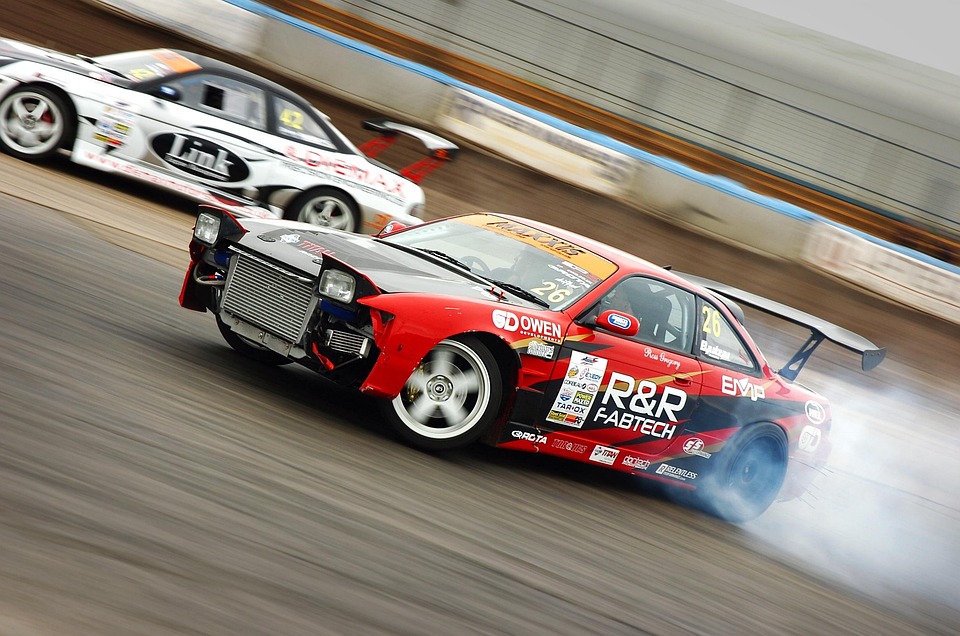
When it comes to maximizing the performance of a track car, enthusiasts and professionals alike are always seeking the latest tuning secrets. The pursuit of speed, efficiency, and control on the track can be a complex and rewarding journey. In this article, we will delve into the strategies and techniques that can help you optimize your track car’s performance, ensuring that you get the most out of every lap.
Understanding the Basics of Car Tuning
Before diving into specific tuning techniques, it’s crucial to understand the fundamentals of car tuning. Tuning a track car involves adjusting and modifying various components to enhance performance. This can include changes to the engine, suspension, brakes, tires, and even the aerodynamics of the vehicle. The goal is to create a harmonious balance that allows the car to perform optimally under the specific conditions of a race track.
The Role of the Engine in Performance
The engine is the heart of any car, and optimizing its performance is often the first step in tuning. This can involve upgrading components such as the intake, exhaust, and ECU (Engine Control Unit). By improving the air and fuel flow and fine-tuning the electronic management system, you can achieve significant gains in horsepower and torque.
Suspension and Handling
A car’s suspension system plays a critical role in its handling and overall performance on the track. By upgrading the suspension with performance-oriented components like coilovers, sway bars, and bushings, you can enhance the car’s stability and responsiveness. Fine-tuning the alignment and corner balancing can also make a substantial difference in how the car handles tight corners and high-speed straights.
Advanced Tuning Techniques
Forced Induction: Turbocharging and Supercharging
One of the most effective ways to increase engine power is through forced induction, which includes turbocharging and supercharging. These methods force more air into the engine, allowing for a more powerful combustion process. While both have their advantages, turbochargers are typically preferred for track use due to their efficiency at high RPMs.
Aerodynamics: Reducing Drag and Increasing Downforce
Aerodynamics play a crucial role in how a car performs at high speeds. By reducing drag and increasing downforce, you can significantly improve a car’s stability and speed. This can be achieved through the use of spoilers, diffusers, and splitters, all of which help to manage airflow around the vehicle.
Data Logging and Analysis
In the world of motorsport, data is king. Using data logging tools, you can collect valuable information about your car’s performance, including lap times, engine metrics, and handling characteristics. Analyzing this data allows you to make informed decisions about further tuning adjustments, ensuring that your car is always performing at its best.
The Importance of Tires and Brakes
Choosing the Right Tires
Tires are the only contact point between your car and the track, making them one of the most critical components for performance. Selecting the right tires can dramatically affect grip, handling, and overall speed. Consider factors such as compound, tread pattern, and size when choosing tires for your track car.
Upgrading the Braking System
High-performance brakes are essential for any track car. Upgrading to larger, ventilated discs and high-friction pads can improve stopping power and reduce brake fade during intense track sessions. Additionally, stainless steel brake lines can provide a more consistent pedal feel, further enhancing confidence and control under heavy braking.
Fine-Tuning for Different Track Conditions
Every race track is unique, presenting different challenges and demands. To optimize your car’s performance, it’s essential to fine-tune settings for specific track conditions. This can include adjusting tire pressures, suspension settings, and even gearing ratios to suit the track’s layout and surface conditions.
The Role of Driver Skill and Feedback
While tuning and modifications can significantly enhance a car’s performance, the driver’s skill and feedback are equally important. A skilled driver can extract the maximum potential from a well-tuned car, making split-second decisions that take advantage of the car’s capabilities. Continuous feedback from the driver is invaluable for making further adjustments and improvements.
Conclusion
Optimizing track car performance is a multifaceted process that requires a deep understanding of automotive mechanics and a willingness to experiment and adapt. By focusing on key areas such as the engine, suspension, aerodynamics, and data analysis, you can unlock the full potential of your track car. Remember, the pursuit of performance is an ongoing journey, and each adjustment brings you one step closer to achieving your goals on the track.
#ChatGPT assisted in the creation of this article.
